


Dogs do not limp when they have arthritis in both hips. They slow down, and slowing down looks like getting old. By the time a dog is visibly stiff, it has usually been in pain for a long while.
What you might be seeing
The quiet signs
- Hesitating at stairs or the car, or needing a run-up to the couch
- Sleeping somewhere new, often lower and softer
- Shorter walks by choice, lagging behind, sitting down on the way
- Slower to rise in the morning, stiff for the first few minutes
- Licking a joint, or a change in temperament when touched there
- Less interest in play, or in other dogs
Owners almost always say the same thing after we start treatment: I did not realise how much pain she was in.
Why it gets missed
Because it is gradual, and because dogs are stoic, and because “slowing down” is what we expect old dogs to do. The change is easier to see in hindsight, which is why we ask about it directly at the senior health check rather than waiting for you to raise it.
What helps
A lot, and most of it is not dramatic. Weight management is the single biggest lever. Then anti-inflammatory medication, joint supplements with evidence behind them, controlled exercise rather than none, and changes at home: ramps, rugs on slippery floors, a raised bowl, a warm bed. For some dogs, acupuncture or regenerative treatments add real benefit on top.
The conversation worth having
If your dog is over seven and any of the signs above sound familiar, book a senior check and say so at the start. Treating arthritis early does not just make an old dog more comfortable; it often gives back a year or two of proper walks.
Explore More Articles








At some point with an old or seriously ill animal the goal shifts from fixing things to keeping them comfortable, mobile and themselves for as long as that is genuinely possible. That shift is not defeat. It is often the period owners look back on most warmly.
What comfort care is
Managing pain properly, every day. Keeping weight and appetite up. Preserving mobility with medication, physical support and changes to the house. Treating the things that are treatable — a urinary infection, a sore tooth — even when the underlying condition is not.
What it is not
It is not doing nothing, and it is not the same as end-of-life care, though it may lead there. Animals on good comfort care frequently have months of genuine quality: walks, meals, the sofa, the family.
Comfort care is a plan, not an absence of one.
What it looks like at home
The practical side
- Pain relief given on schedule, not when they seem sore
- Non-slip rugs, ramps to the car, a bed they can get in and out of
- Food that is easy to eat, warmed, and offered more often in smaller amounts
- Short, frequent walks or garden time rather than one long outing
- A simple diary of good days and hard days, which matters later
How we work with you
Regular rechecks, usually monthly, to adjust the plan. Honest conversations about what is changing. And a clear understanding, agreed in advance, of what a bad day looks like and what we will do about it, so nothing has to be decided in a panic.
Explore More Articles
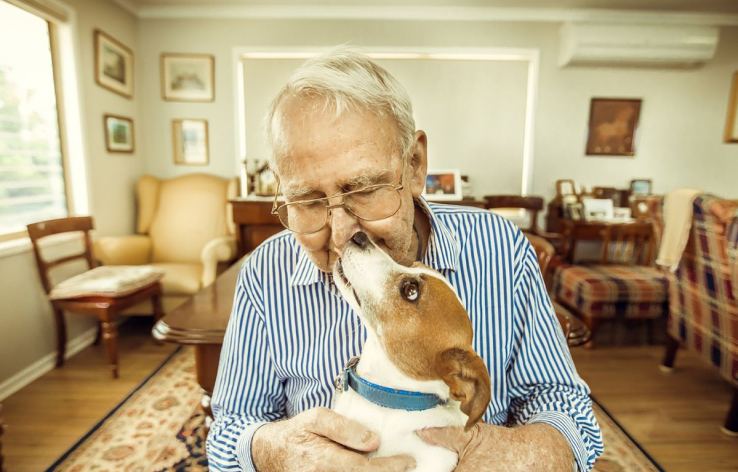
The most common thing owners ask us about an old or sick animal is “how will I know”. There is no single answer, but there are better and worse ways to think about it, and it is much easier to think about before the decision is in front of you.
The question everyone asks
People are afraid of two things: doing it too soon, and doing it too late. In our experience the second is far more common than the first. Nobody ever tells us they wish they had waited longer.
A framework that helps
Score each from 1 to 10, once a week
- Hurt — is pain controlled? Is breathing easy?
- Hunger — are they eating enough, willingly?
- Hydration — drinking, or needing fluids?
- Hygiene — can they keep themselves clean, and stay clean?
- Happiness — do they still seek out the family, the sun, the things they liked?
- Mobility — can they get up, get outside, get to you?
- More good days than bad — honestly, across the week
When the bad days start to outnumber the good ones, that is the conversation. Not the decision — the conversation.
What we will and will not say
We will tell you what we see, plainly. We will tell you what the animal is likely experiencing and where things are heading. We will not make the decision for you, but if you ask us directly what we would do with our own animal, we will answer honestly.
On the day
It can be here, in a quiet room with as much time as you need, or at home. It is gentle: a sedative first, so they are asleep before anything else happens. You can stay, or not. We will talk you through every step beforehand so nothing is a surprise, and we will handle everything afterwards however you wish.