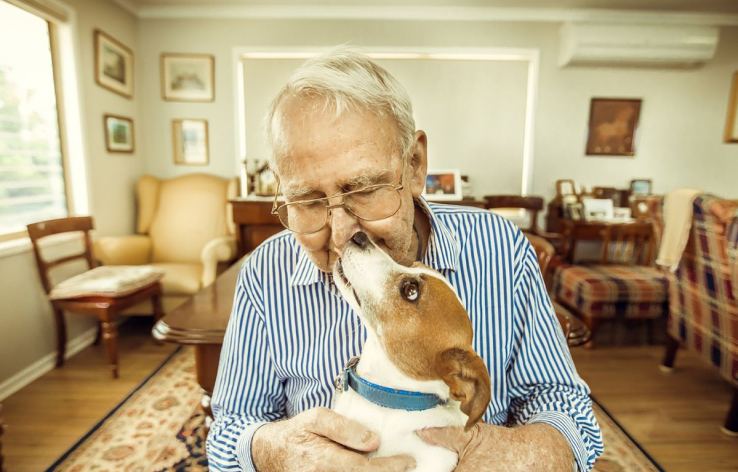


By the age of three, most dogs and cats have some degree of dental disease. By eight, most have it seriously. It is the single most common finding at an annual health check, and the one most often deferred because the animal is “still eating fine”.
What we see
Tartar you can see is the least of it. Red or receding gums, a smell that has become normal to you, a preference for soft food, chewing on one side, a paw at the mouth. Cats hide it best of all; they just eat a little less and lose a little weight.
Below the gum line
The damage that matters is under the gum where you cannot see it: infection around the root, bone loss, teeth that are loose or dying. This is why we take full-mouth radiographs before any dental work. Roughly a third of the problems we treat are invisible on a conscious examination.
Animals do not stop eating because of dental pain. They stop eating when they cannot physically manage it, and that is very late.
Why it matters beyond the mouth
Chronic oral infection is a constant low-level load on the body. It is linked to heart, kidney and liver disease, and it is a source of daily pain that animals simply live with. Treating the mouth often changes an old pet’s energy and mood in ways owners did not expect.
What a dental actually involves
Under a general anaesthetic
- Full-mouth radiographs first, so the plan is based on what is actually there
- A written quote before we go further, agreed with you by phone
- Scale and polish above and below the gum line
- Extraction of any tooth that cannot be saved, with pain relief built in
- A recheck ten days later, and a plan for keeping it that way at home