

The paralysis tick, Ixodes holocyclus, lives along the east coast of Australia in exactly the kind of environment most of Kawana is built around: damp bushland, long grass, leaf litter and the scrubby edges between houses and reserve. A dog does not need to go bush walking to pick one up. A back fence line will do.
How quickly it moves
A tick attaches, feeds, and injects a neurotoxin as it does so. Signs usually appear a few days after attachment, and they escalate over hours rather than weeks. That timeline is the reason this article exists: by the time most owners notice something is wrong, the useful window is already narrowing.
Almost nobody comes in worried about a tick. They come in because the back legs look wrong.
What the first signs look like
Call us if you notice any of these
- Wobbliness or weakness in the back legs, often mistaken for a sore hip
- A changed bark or meow, or a cough that sounds like a retch
- Vomiting or regurgitation, particularly with any of the above
- Heavy breathing, or difficulty standing after lying down
Any one of these in a Sunshine Coast pet is worth a phone call, whether or not you have found a tick. Searching a thick coat is genuinely difficult, and finding nothing does not rule it out. Ticks attach most often around the head, neck, ears and shoulders, but we have removed them from between toes and inside eyelids.
Why prevention here has to be deliberate
Not every product on the shelf covers paralysis ticks, and not every product that does covers them for as long as the packaging implies once you account for swimming, bathing and a coat full of salt water. What suits a dog in Melbourne is often not what suits a dog that swims at Bokarina three times a week. Bring in what you are currently using and we will tell you honestly whether it is enough.
If you find one
Before you leave the house
- Remove it if you can do so without a struggle, and keep it in a container to bring with you
- Do not use methylated spirits, petrol or a lit match on the tick or the skin
- Keep your pet quiet and cool. Excitement and exercise both make the signs worse
- Do not offer food or water if there is any hint of swallowing or breathing difficulty
- Phone us on the way in rather than waiting for an appointment slot
Treatment is more effective and less expensive the earlier it starts, and the difference between a phone call today and a phone call tomorrow morning is often the whole outcome. We would much rather examine a pet who turns out to be fine.
Explore More Articles








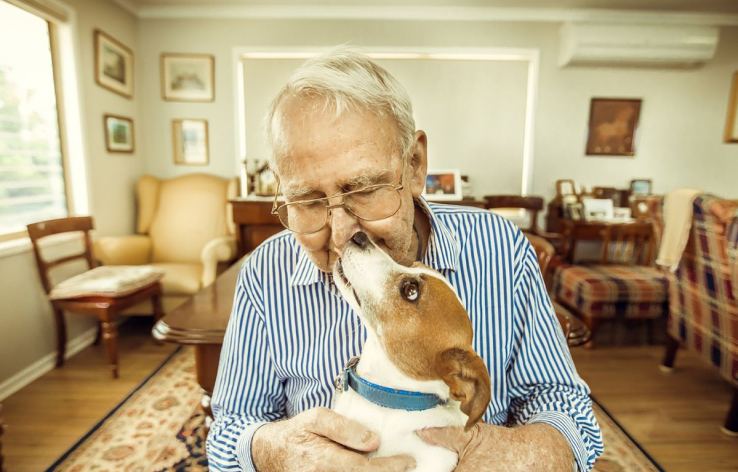

By the age of three, most dogs and cats have some degree of dental disease. By eight, most have it seriously. It is the single most common finding at an annual health check, and the one most often deferred because the animal is “still eating fine”.
What we see
Tartar you can see is the least of it. Red or receding gums, a smell that has become normal to you, a preference for soft food, chewing on one side, a paw at the mouth. Cats hide it best of all; they just eat a little less and lose a little weight.
Below the gum line
The damage that matters is under the gum where you cannot see it: infection around the root, bone loss, teeth that are loose or dying. This is why we take full-mouth radiographs before any dental work. Roughly a third of the problems we treat are invisible on a conscious examination.
Animals do not stop eating because of dental pain. They stop eating when they cannot physically manage it, and that is very late.
Why it matters beyond the mouth
Chronic oral infection is a constant low-level load on the body. It is linked to heart, kidney and liver disease, and it is a source of daily pain that animals simply live with. Treating the mouth often changes an old pet’s energy and mood in ways owners did not expect.
What a dental actually involves
Under a general anaesthetic
- Full-mouth radiographs first, so the plan is based on what is actually there
- A written quote before we go further, agreed with you by phone
- Scale and polish above and below the gum line
- Extraction of any tooth that cannot be saved, with pain relief built in
- A recheck ten days later, and a plan for keeping it that way at home